Blurred Vision in the Search for the Forbidden
Blurred Vision in the Search for the Forbidden
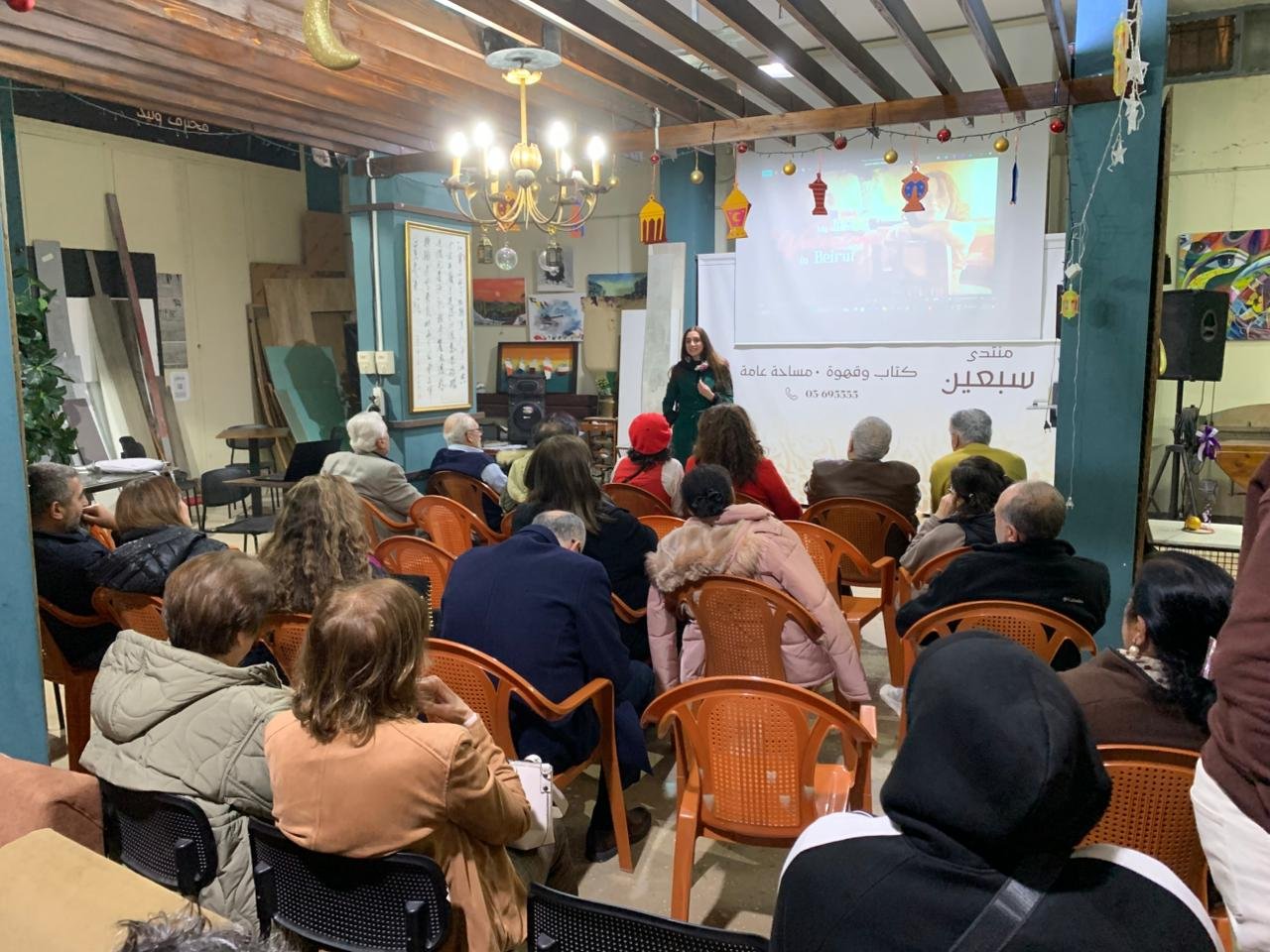
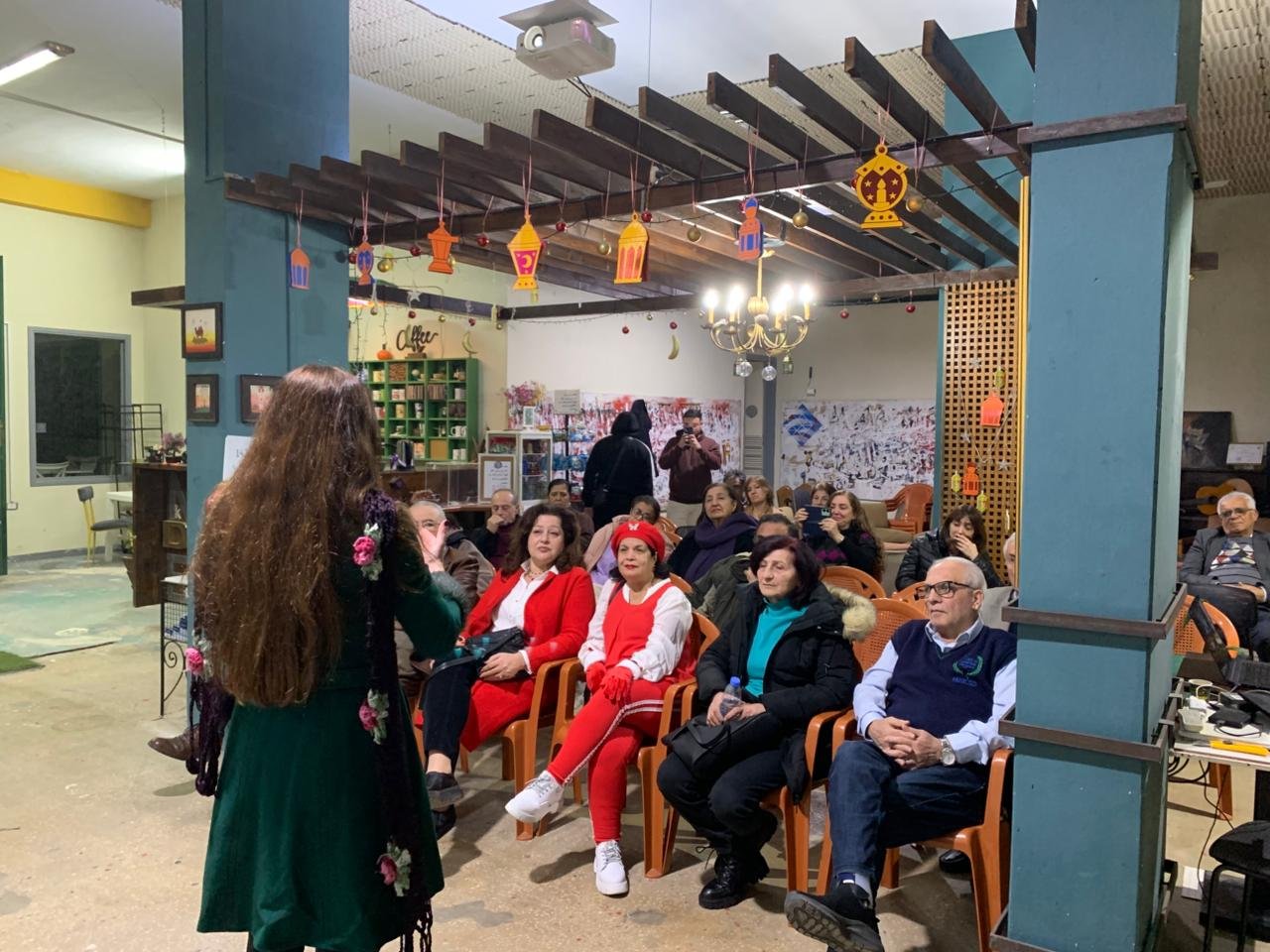
The film My Last Valentine in Beirut, written and directed by Lebanese filmmaker Salim El Turk and starring Lebanese actress Lorine Koudeih, belongs more to the realm of conceptual cinema than to conventional narrative structures familiar to regular audiences. Through screenings and discussions, the Cinema Club at Sabeen Forum – Sidon seeks to create new and distinctive viewing experiences.
Kadih delivers a highly professional performance, attentive to detail, especially as the film ventures into uncomfortable and often unspoken territories. Over approximately ninety minutes, the film maintains coherence in its period setting, from décor to production design, granting it a certain technical and visual credibility. Yet when the focus shifts to vision and thematic treatment, greater clarity and depth become necessary — particularly for a work that presents itself as an interpreter of the unsaid and a challenger of social taboos.
Technically, the visual sequences often appear fragmented rather than organically connected, despite the significance of what they attempt to symbolize — particularly in highlighting the various parties who benefit from crisis, each in their own way. The film’s experimental ambitions occasionally fall into the trap of overt, direct messaging, even when framed in light comedic tones. This becomes especially problematic when addressing grave issues — such as rape — through a simplistic or commercialized visual discourse, as suggested in the final scenes that gesture toward the servitude of money and wealth.
On Content and Message
The film reveals a persistent ambiguity — a blurred field of interpretation.
It does not shy away from boldness in its presentation, nor from breaking taboos visually and performatively. Lorine Kadih embodies a character whose physical presence dominates the screen, even transcending the conventional allure of nudity or the expected erotic charge of costume. She portrays a sex worker who adopts her body as a profession not through visible defeat or revenge, but as a choice she claims remains after being raped by her stepfather and forced into a path of exploitation.
Her performance avoids the familiar tropes of victimhood or vengeance. Instead, it shocks through an unsettling portrayal of acceptance — even reconciliation — with the commodification of the body. Yet this very reconciliation generates confusion, opening contradictory pathways of interpretation regarding the body’s role and meaning.
At times, the body appears as a permanent threat — a source of danger that must be concealed for protection, suggesting that our bodies themselves become accusations, placing us perpetually on the edge of collective victimhood.
At other times, the body becomes an object of moral judgment when it aligns with its bearer’s desires, inviting social rejection.
When the body turns into an economic instrument — responding openly to market demand — visual signals shift toward ordinary or even modest attire. The character, in a simple domestic dress, answers clients’ calls while cooking in her kitchen; later, dressed as a nurse, she arrives at a client’s home seeking pleasure. The duality intensifies.
The ambiguity reaches its peak in the final act. Faced with either death from terminal illness or suicide, she chooses to end her life — explaining, through direct address, the meaning of the term “sex worker” across languages. At this point, the intended message dissolves entirely. The exploration of the body’s dignity and boundaries — supposedly the core inquiry — loses coherence.
Which body does the director seek to liberate from the box?
Is it the body of the prostitute, punished with death?
Is it the psychologically wounded body, left untreated beyond its physical illness?
Is it the victimized body, deprived of agency?
Or the body that finds pleasure in defiance and in breaking the taboo?
Which taboo, ultimately, is being broken?
The question remains as unsettled as the film’s message itself — wandering within the haze of its own forbidden inquiry.
Khadija Jaafar