For Whom Does Life Triumph?
For Whom Does Life Triumph?
It is not an innocent question — not a superficial curiosity — especially when narrative noise fades, when plot loses its dominance, and music emerges as an added language of meaning. When color and image seize you, despite the limited settings, you find yourself before a film that is cinema in its purest form: an art that moves you from the chatter of words into the world of images, alive with meticulous technical detail.
A parallel kind of heroism begins to take shape — a non-human, moving, almost object-like heroism, outside the conventional casting of characters. The traditional idea of a singular protagonist dissolves into a complete integration of cinematic elements. The precision of facial expressions, the choreography of bodies, the interplay between technical and performative craft — all fuse into a unified act of authorship where no single element can be separated from the whole.
In this film, the hero is not merely a character who acts. It is a character who feels — deeply and visibly. Sorrow remains sorrow even beneath a smile. Joy is evident in color, in gesture, even in a tearful moment. Tension trembles across lips and eyelids even when dialogue falls silent. The audience sees the emotion clearly, even when words are swallowed.
This emotional clarity reflects one of the central intentions of the French film
Le Fabuleux Destin d’Amélie Poulain (Amélie)
written and directed by Jean-Pierre Jeunet.
Amélie — the bearer of the film’s message — is a layered and enigmatic character. She finds her path into the world not by grand gestures but by immersing herself in details. She is shaken by sadness wherever she finds it, and intervenes quietly to mend destinies, searching for a fleeting joy she herself lacked in childhood. This absence is never explicitly declared through dialogue, but conveyed through subtle expression.
Amélie lives her loneliness generously. She senses others’ pain and attempts to soften it, intervening in everyday details to make them brighter. Her joy is not verbalized; it manifests through the precise choreography of facial muscles and bodily movement. Her face writes shadow-dialogues beyond the spoken script. The narrative itself becomes secondary to image and sound, shifting the center of cinematic heroism from plot to sensory experience.
Through her performance, Amélie communicates essential questions of life: What is the difference between living and life itself? Is joy something stolen and planted into small moments as a strategy to avoid direct confrontation? Or is it found in assuming responsibility for others, reshaping their destinies through intervention?
The question of upbringing emerges with equal depth. The sorrow in young Amélie’s eyes when her mother discards her only friend — a goldfish — foreshadows the quiet detachment she later shows toward her father. Childhood sadness, unaddressed, leaves residue. It fosters introversion, the creation of parallel worlds — not merely imagined, but constructed realities shaped by alternative measures and values.
Love, too, is central to the film’s inquiry. Is love a language of the body and fleeting pleasure? Is it tension, inadequacy, misunderstanding? Or is it a search for meaning that requires courage and commitment before surrender? Amélie seems to demand proof — staging playful tests before finally allowing herself to fall into love.
By the end of its nearly two-hour journey, the viewer cannot escape the emotional and philosophical terrain traversed. The film moves us beyond accepted patterns of living and into deeper reflection on the meaning embedded in daily details.
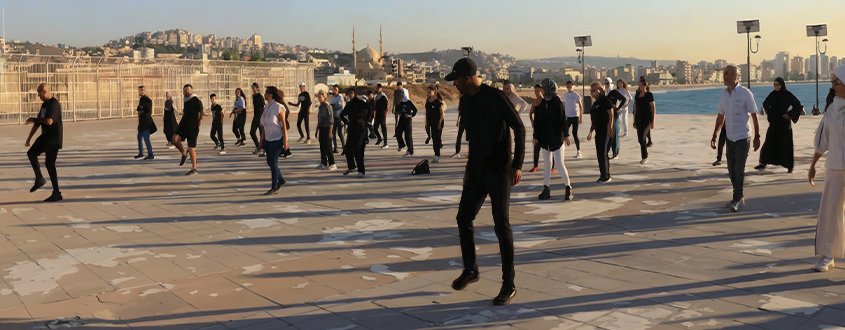
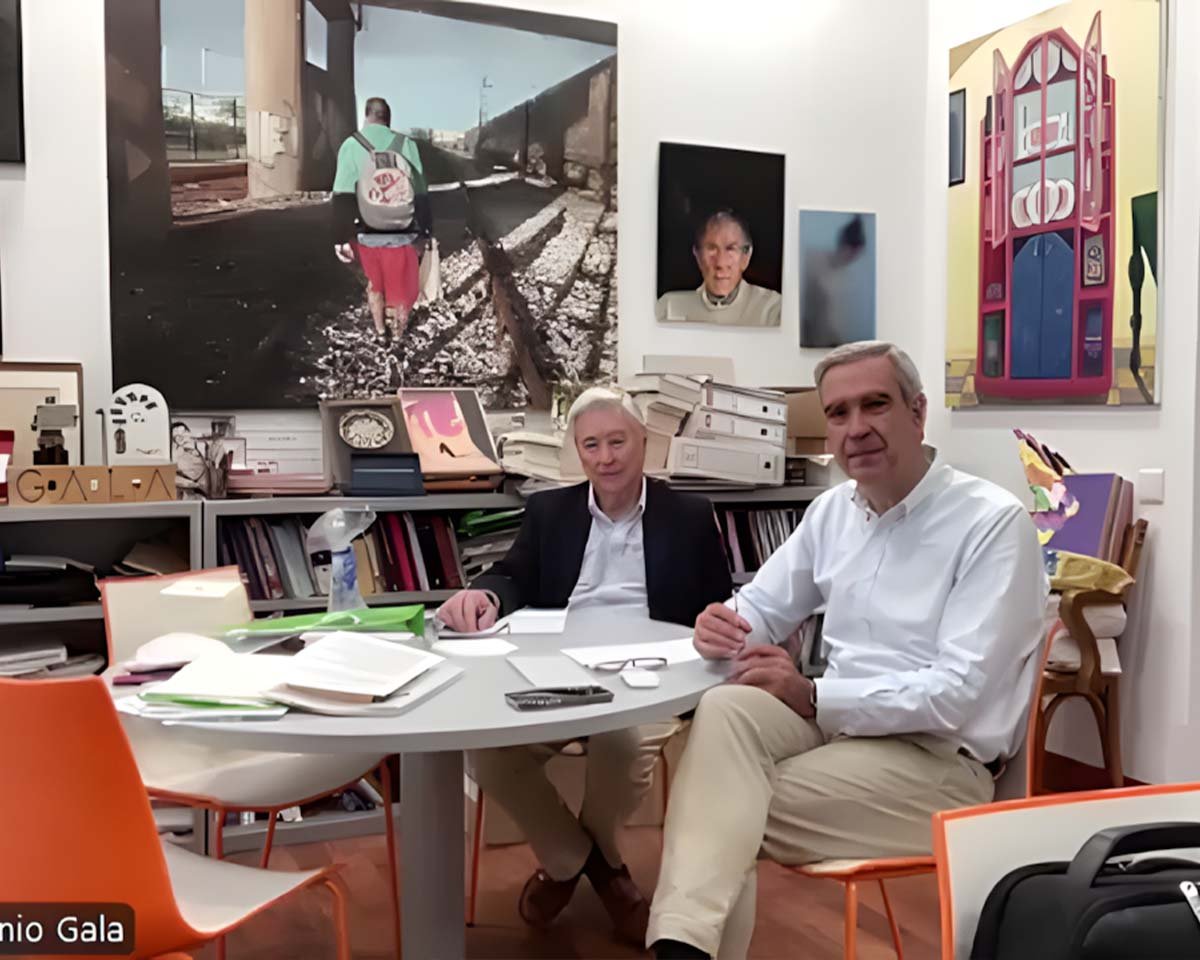
This was evident in the closing discussion at the Cinema Club – Sabeen – Sidon, on a Saturday evening marked by unusually profound questions.
Khadija Jaafar