Italian Cinema Comes of Age: A Wealth of Directorial Creativity
Italian Cinema Comes of Age: A Wealth of Directorial Creativity
I do not claim a deep passion for, or devoted following of, the seventh art. Yet the idea of spending time inside the minds of the world — that remains an irresistible temptation.
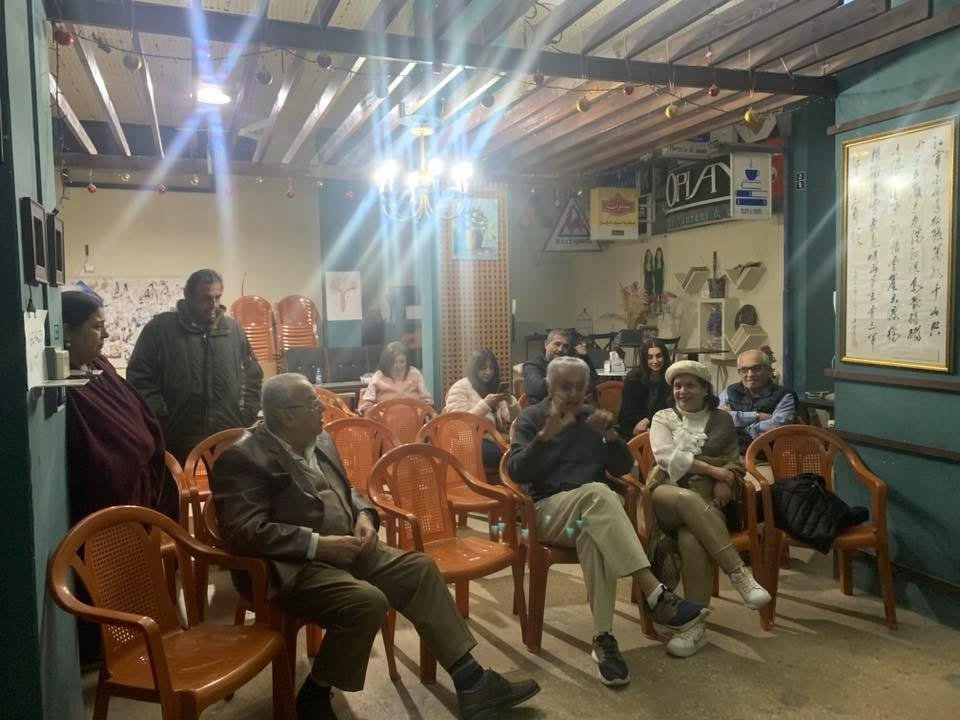
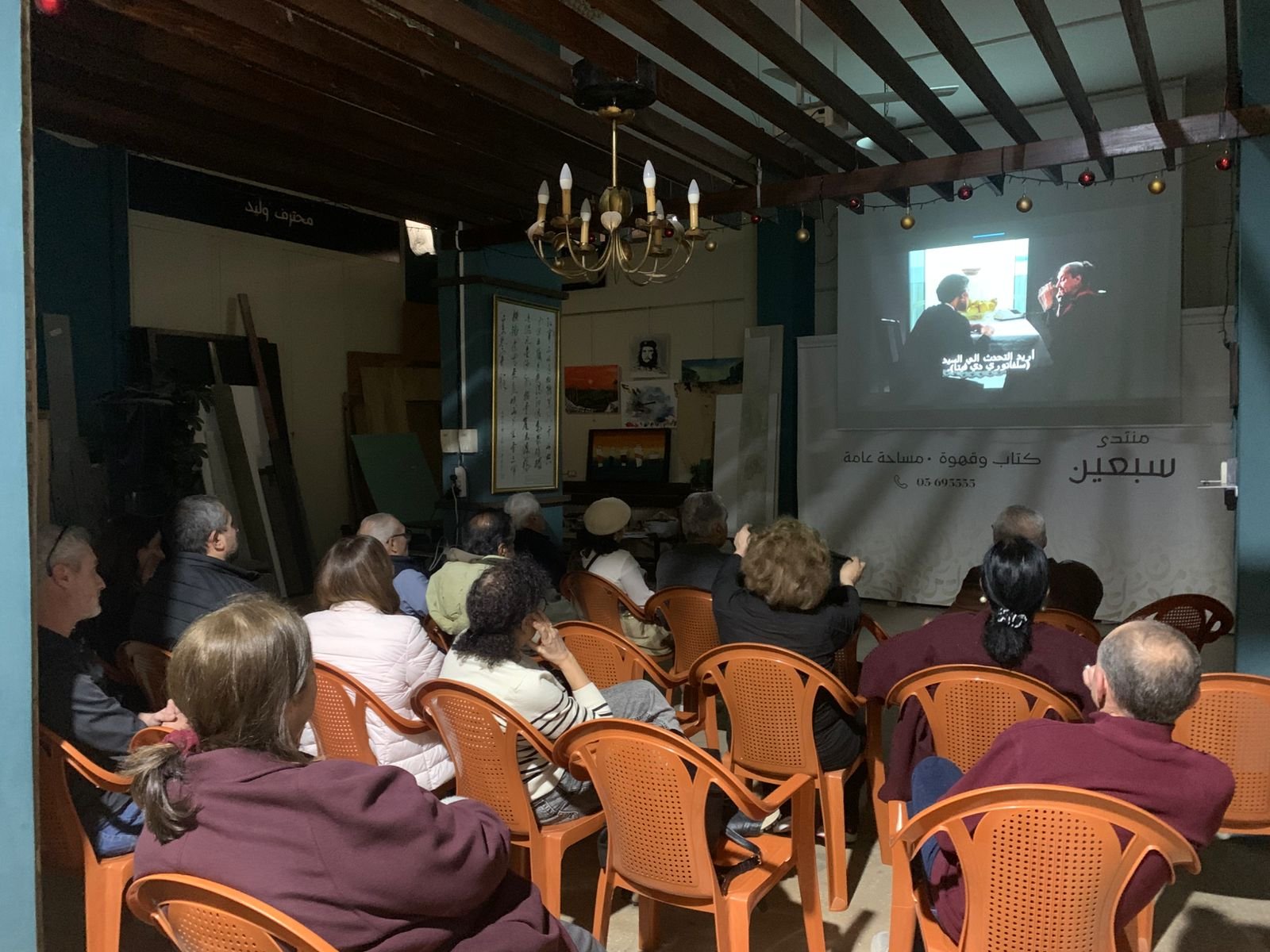
By chance, I attended a Cinema Club session at Sabeen Forum in the southern Lebanese city of Sidon. It had been quite some time since I last experienced that separation — the self and the film — when we watched Cinema Paradiso, written and directed by the Italian filmmaker Giuseppe Tornatore.
If one were to ask about the story of the film, the answer could fit into a single line: the passion of a young boy for cinema. And naturally, a single sentence cannot logically bridge two hours of screen time. Yet this is precisely what gives the film its weight and significance. The excellence of the cast and crew transforms it into a complete artistic work. Through the meticulous interpretation of details in the mind of a skilled director, Tornatore opens the doors of his imagination — even to a restless viewer like myself — allowing us to slip into his consciousness through subtle nuances and lived fragments.
What stood out most was the lived experience of place.
Through narrow camera angles framed tightly between two walls, Tornatore captures the space of Cinema Paradiso, situated in the heart of an open town square. Although surrounded by vast expanses, the cinema becomes a social nucleus — transcending the square, the village, perhaps even the nation.
The cinema — the place — becomes society itself. It gathers all social classes and generations into an organized setting of interlinked rows of seats, reflecting layers of social interaction: love and longing, class conflict, production and profit, generational tensions, adolescent rebellion and adult repression, labor and livelihood.
At its center lies the tender relationship between a curious, passionate child and Alfredo — the uneducated projectionist whose life experience, shaped by films, becomes a profound education in itself. Their bond evolves into something deeper than friendship and broader than fatherhood — a guiding presence that nurtures the boy’s unsettled dreams.
From Tornatore’s perspective, the cinema becomes both a producer and selector of talent. All the children of the village share the same space and experiences, yet only Toto identifies his purpose and pursues it, shaping his artistic and professional identity.
Tornatore also explores the economic function of the cinema. After Alfredo’s injury, the theater becomes a profitable investment acquired by a wealthy owner. Machines are upgraded, entrances redesigned, commercial relationships formalized. Gradually, the cinema shifts from being a communal heart to an economic enterprise. The camera widens its frame, moving beyond the tight symbolic space between two walls.
With modernization — trains, airplanes, cars — public squares shrink, meeting spaces vanish. The cinema eventually collapses and is demolished, marking the end of its social function and the triumph of economic calculation. What remains is nostalgia — the childhood memories of a boy who sacrificed even family ties in pursuit of his dreams.
But how can new generations — those without memory or nostalgia — build a cinema capable of recreating the authenticity of community?
This unspoken question lingers in the film’s final scene. The successful adult director, Toto, watches his memories unfold on screen, tears in his eyes. Meanwhile, the “madman of the square” wanders cautiously between cars, his once-echoing cry reduced to a quiet murmur:
“This square is mine.”
Khadija Jaafar